
History, Hauntings & Lore
The Featherbed Railroad Bed & Breakfast is one of Northern California's most unusual overnight stays, located on the shores of Clear Lake in Lake County, wine country. The property features nine vintage railroad cabooses converted into themed guest accommodations, offering visitors the rare chance to sleep in authentic pieces of rail history while surrounded by peaceful lakefront grounds.
The location itself carries a much deeper story than the cabooses alone. Long before becoming the Featherbed Railroad, the property operated as a lakeside retreat during the late 1800s and early 1900s, when Lake County was a thriving vacation destination for Bay Area travelers seeking fresh air, mineral waters, and relaxation by the lake. At the heart of the grounds stands the historic main home, dating back to the late 1800s to early 1900s, which still serves as a centerpiece of the property today.
Over the years, guests, former+ current staff, and visitors have shared numerous reports of unexplained activity throughout both the historic home and the caboose grounds. Some of the most commonly reported experiences include the sudden smell of cigar smoke appearing where no source can be found, figures seen moving between or around the cabooses late at night, lights flickering without explanation, and shadow-like apparitions witnessed inside the historic main house. Others have reported hearing whispers, lights flickering, unexplained markings, footsteps, doors opening or closing on their own, objects shifting unexpectedly, and electronic devices or batteries draining unusually fast while on the property.
Many believe the combination of history, generations of travelers, and the land's deep-rooted past contribute to the unique energy felt and experienced here. The surrounding area also carries rich cultural history tied to the Pomo people and longstanding regional folklore, adding another layer of mystery to an already fascinating location.
Whether visitors come for the history, the lakefront charm, or the possibility of a paranormal encounter, Featherbed Railroad offers an unforgettable stay unlike anywhere else in California.
The Original Homestead
Frank B Johnson and his 1919 Stuts Bearcat, facing west from where the primary driveway of the Featherbed Railroad is now.
The tree in the background is still on property
Our historic main home on property stands as one of the enduring pieces of Lake County's early residential and resort-era charm. Believed to date to the late 1800s to early 1900s, the residence was built during a time when the shores of Clear Lake were becoming a sought-after retreat for travelers from the Bay Area seeking fresh air, lake recreation, and peaceful escapes from city life.
Today, the home remains the heart of the property, where guests gather for breakfast and experience a setting rich with character, craftsmanship, and old-world warmth. From its historic presence to the stories held within its walls, the house reflects more than a century of hospitality on this lakeside property. It serves as a reminder that long before the cabooses arrived, travelers were already coming here to rest, reconnect, and enjoy the beauty of Lake County
Clear Lake: An Ancient Heart of Lake County
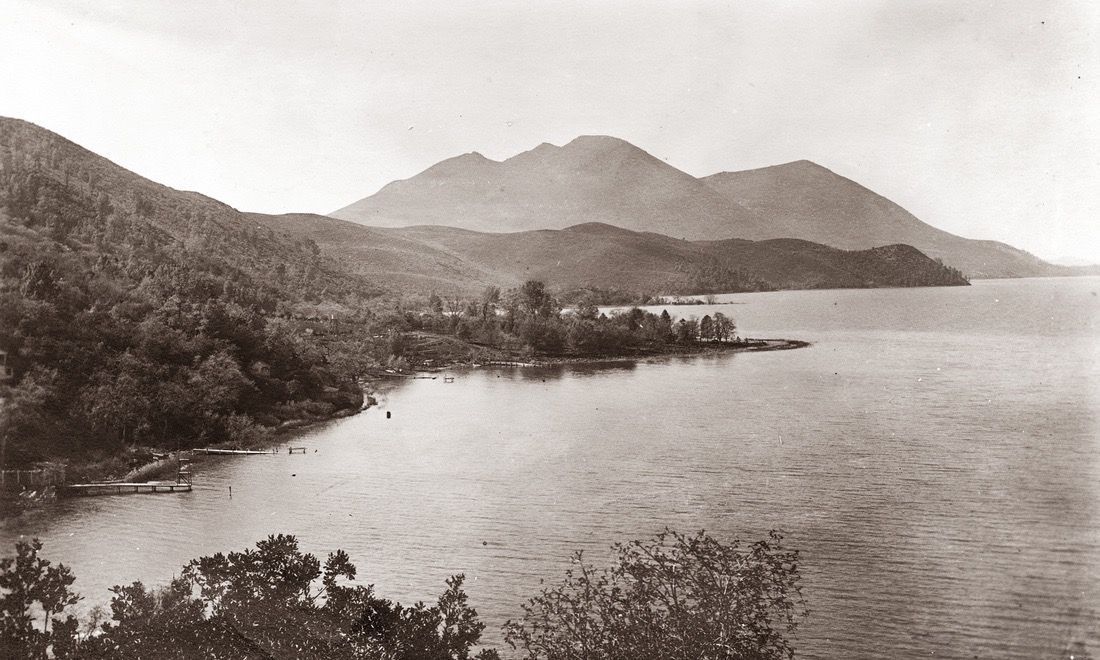
Clear Lake has shaped the landscape and story of Lake County for thousands of years. Lake sediments show that a shallow lake has existed here for at least 475,000 years, making Clear Lake one of North America’s most ancient lakes. Its basin was shaped by faulting and volcanic activity, with Mount Konocti rising prominently along its shores.
The lake also holds a remarkable human history, with archaeological evidence of people living around Clear Lake for approximately 12,000 years. Today, it remains the natural and cultural heart of Lake County—a place where ancient geology, Indigenous history, recreation, and generations of local stories come together.
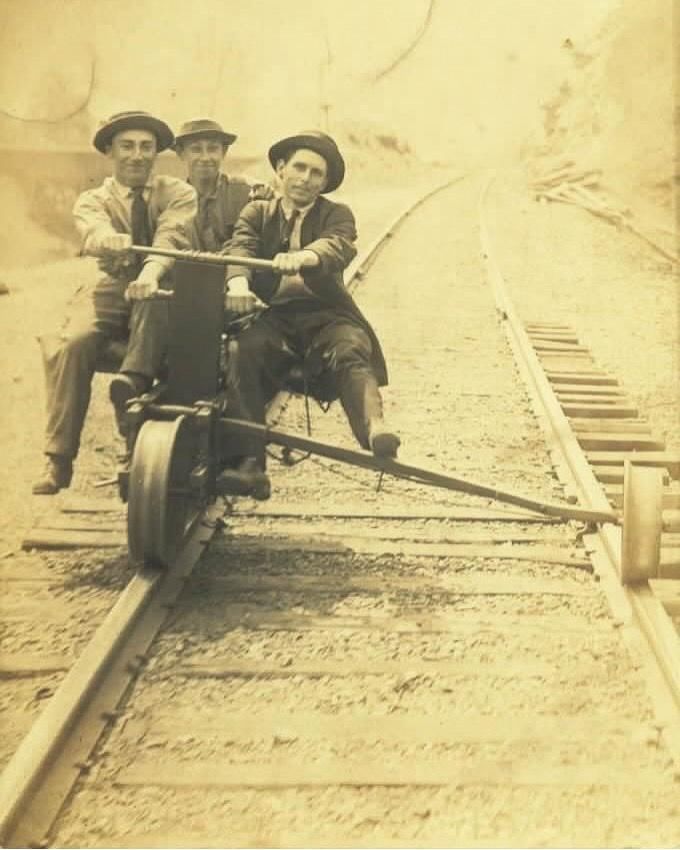
A Ride Down the Rails
Beginning in the 1880s, railroad workers used small, human-powered vehicles known as railroad velocipedes, rail bikes, handcars, or inspection cars to travel the tracks. These lightweight machines carried inspectors and maintenance crews as they checked rails, ties, bridges, signals, and other equipment. Many were light enough to be quickly removed from the track when a train approached, and variations remained in railroad service well into the mid-1900s.
Today, a historic rail bike is displayed at the front of the Featherbed Railroad Bed & Breakfast, along with a photograph of it dating to the mid-20th century—a unique reminder of the ingenuity and hardworking crews who once kept America’s railroads moving.
A RESORT ERA
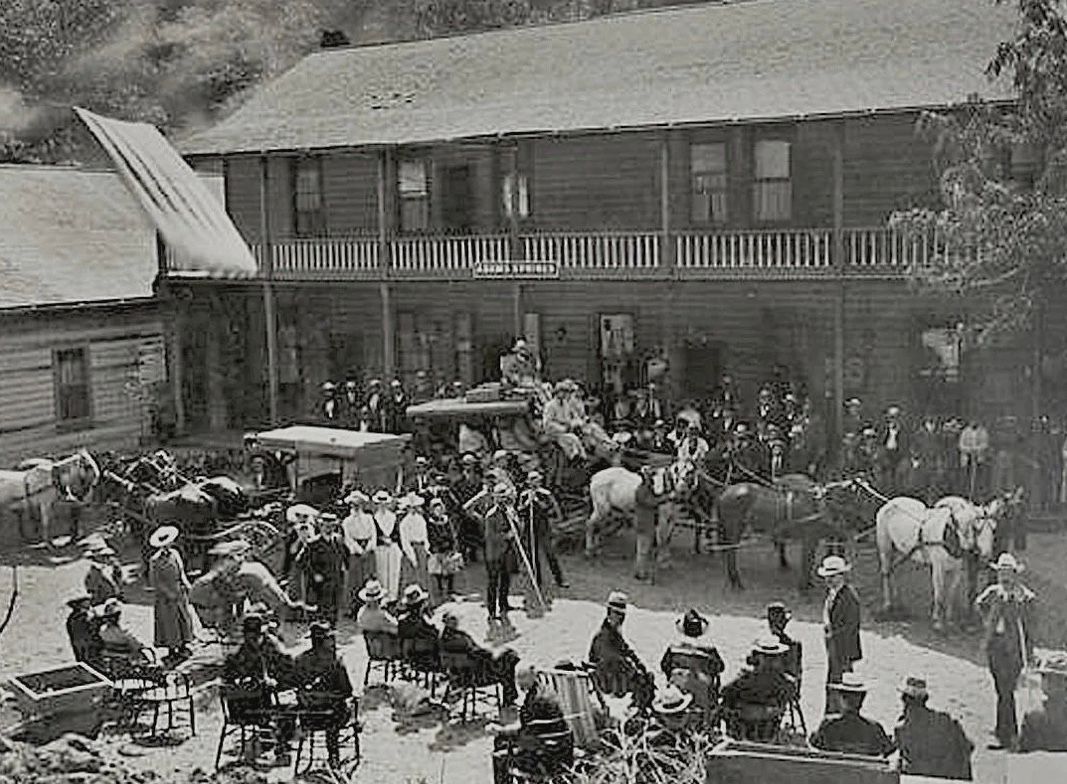
Beginning in the mid-1800s, travelers journeyed to Lake County for its abundant mineral springs, scenic landscapes, and growing collection of destination resorts. Springs throughout the region were celebrated for their believed healing properties, attracting health seekers and vacationers from across California.
By the late 1800s and early 1900s, resorts such as Bartlett Springs, Harbin Springs, Highland Springs, Adams Springs, and others had helped establish Lake County as a popular Northern California retreat.
THE COUNTY HEART
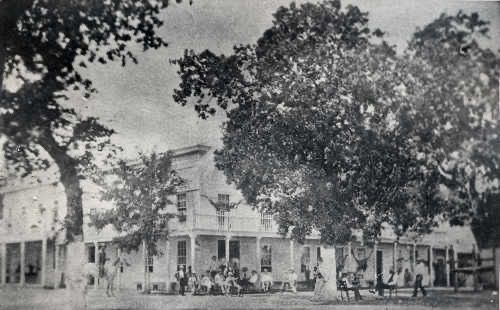
Lakeport travelers had a handful of choices in the late 19th and early 20th centuries.
The Benvenue, also called the Mound Hotel and Cottages, offered lodging on Main Street where St. Mary Immaculate Catholic Church is now.
The Clear Lake Hotel stood on Main Street between First and Second.
Perhaps the earliest hotel was the Mann House in the 1860s, but little is known of it.
Downtown, a succession of hotels in two locations served travelers and boarders for decades.
The Pomo: Lake County’s First People
Long before Lake County’s resorts, vineyards, towns and railroads, Pomo people called the Clear Lake region home. Archaeological evidence shows Indigenous people have lived around Clear Lake for at least 10,000–12,000 years, developing communities deeply connected to the lake and surrounding landscape.
Clear Lake provided abundant fish, while the surrounding lands supplied acorns, berries, game, tule reeds and volcanic obsidian. Tule was fashioned into boats, homes and everyday items, while the Pomo became renowned for their extraordinarily intricate basketry.
European-American settlement brought devastating disease, displacement and violence, profoundly disrupting Pomo communities and their traditional lands. Yet their story did not end there. Pomo tribes remain an important and vibrant part of Lake County today, continuing cultural traditions and stewardship of the lands and waters their ancestors have known for thousands of years.